Manual vs Automatic Premium Cars: Which Is Better to Buy?
By Flywheel Editorial Team · Published 2026-11-14
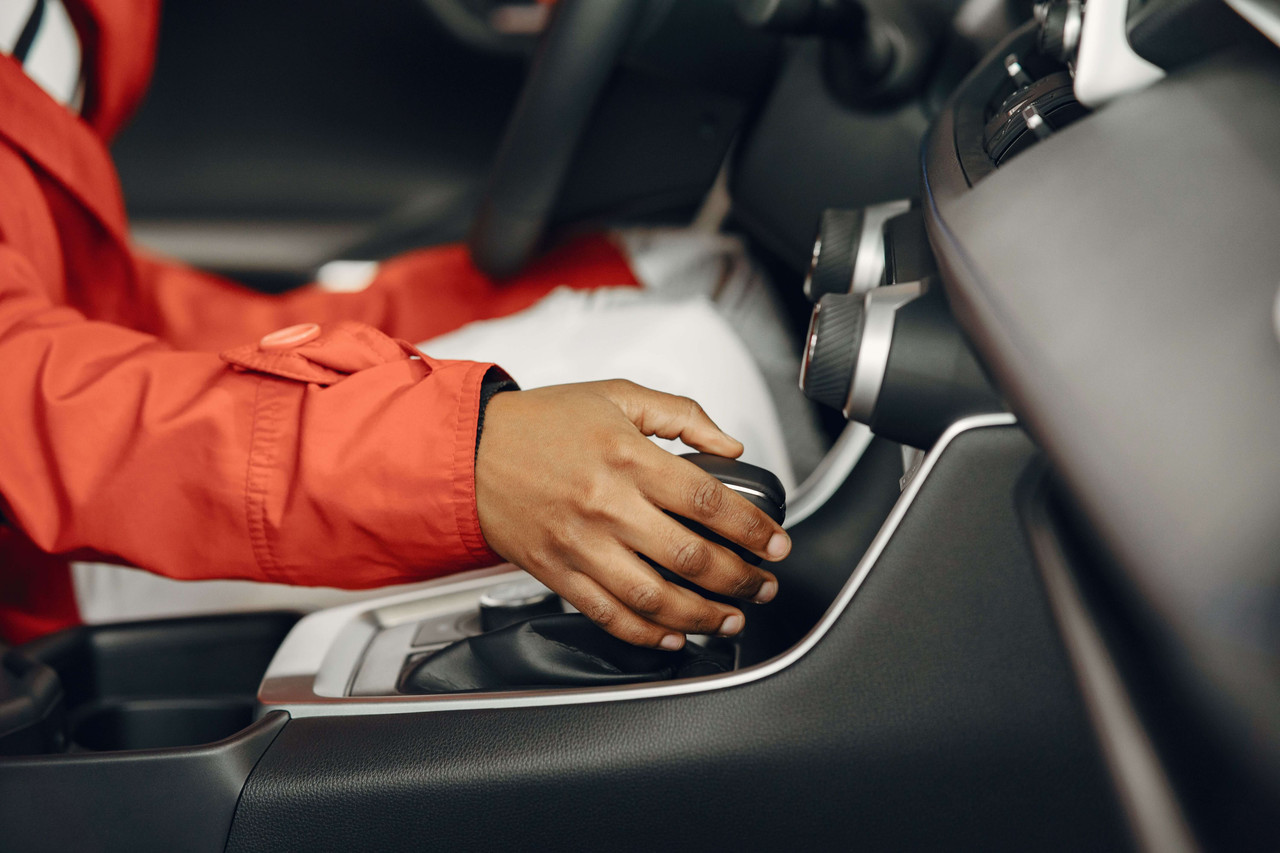
Choosing the right transmission is an important part of buying a premium or luxury car. When comparing manual vs automatic premium cars, buyers should consider more than just the gearbox. Driving comfort, performance, fuel efficiency, maintenance expenses and everyday usage all play a role in finding the right vehicle. Whether you drive mainly in city traffic, travel regularly on highways or enjoy a more engaging driving experience, understanding the differences can help you make a better decision.
In India, automatic cars have become increasingly popular, particularly among premium-car buyers. However, manual transmissions still appeal to drivers who prefer direct control over gear changes. This guide explains the advantages and disadvantages of both options, including factors worth considering when buying a pre-owned luxury car in Kolkata.
Manual vs Automatic Premium Cars: Understanding the Difference
The main difference between manual and automatic cars is how the transmission changes gears. In a manual car, the driver operates a clutch pedal and selects gears using the gear lever. In an automatic car, the transmission changes gears based on vehicle speed, engine load and accelerator input.
Automatic transmissions are available in different forms, including torque-converter automatics, dual-clutch transmissions (DCT), continuously variable transmissions (CVT) and automated manual transmissions (AMT). Each type offers a different driving experience, and maintenance requirements can vary.
How a Manual Transmission Works
A manual transmission requires the driver to select gears according to speed, engine RPM and road conditions. The clutch temporarily disconnects the engine from the transmission, allowing the driver to change gears.
This arrangement gives the driver direct control over gear selection. Some driving enthusiasts enjoy this involvement, especially on open roads. However, repeated clutch operation and gear changes can become tiring in slow-moving traffic.
How an Automatic Transmission Works
An automatic transmission handles gear changes without requiring the driver to operate a clutch pedal. The driver generally selects Drive, Reverse, Neutral or Park and controls acceleration and braking.
Depending on the gearbox design, an automatic can prioritise smoothness, fuel efficiency or quick performance-oriented shifts. Many premium cars also include paddle shifters and selectable driving modes for additional control.
Why Automatic Premium Cars Are Popular
Automatic transmissions are common in modern premium vehicles because they offer convenience and can make everyday driving more relaxed. This is particularly useful in cities such as Kolkata, where traffic congestion, frequent signals and stop-and-go driving are part of many daily commutes.
Some key advantages of automatic premium cars include:
- Convenience in traffic: Drivers do not need to operate a clutch or change gears repeatedly.
- Reduced driving fatigue: Automatic gear changes can make long commutes less tiring.
- Ease of operation: The driving process is simpler for people who prefer not to manage a clutch.
- Performance options: Certain DCT and modern automatic systems offer quick gear changes.
- Relaxed highway driving: Automatic transmissions can provide a comfortable experience during long-distance journeys.
However, not every automatic gearbox behaves in the same way. A torque-converter automatic may feel smoother in slow traffic, while some dual-clutch systems are designed to deliver quicker shifts. A test drive is important to understand how a particular car performs in real conditions.
Advantages of Buying a Manual Premium Car
Manual cars offer a more involved driving experience. The driver decides when to change gears, which can be appealing to people who enjoy controlling the vehicle directly.
Other potential advantages include:
- Direct gear control: Drivers can select gears according to their preferred driving style.
- Engaging experience: Manual gear changes can make driving more interactive.
- Potentially simpler mechanics: Some manual gearbox designs have fewer complex components than certain automatic systems.
- Purchase value: Depending on the model and market, a manual version may cost less than its automatic equivalent.
There are limitations too. Manual cars require more effort in congested traffic, and frequent clutch operation can cause fatigue. Clutch components can also wear faster when the car is driven with poor clutch habits or regularly used in heavy traffic.
Automatic vs Manual: Performance and Driving Experience
Transmission type can influence how a car feels on the road, but performance also depends on engine output, vehicle weight, gear ratios and transmission calibration.
Some modern automatic gearboxes shift quickly and help maintain engine performance during acceleration. Dual-clutch transmissions, for example, are often used in performance-oriented vehicles because they can deliver rapid gear changes. Torque-converter automatics are frequently valued for smooth operation, particularly at lower speeds.
Manual transmissions can provide a greater sense of control because the driver chooses when to shift. This may appeal to enthusiasts who enjoy managing engine RPM and gear selection themselves.
When comparing two premium cars, do not assume that one transmission is automatically faster or more enjoyable. Compare the specific engine and gearbox combination and take both vehicles on a test drive whenever possible.
Fuel Efficiency: Which Transmission Gives Better Mileage?
Fuel efficiency depends on several factors, including engine technology, gearbox design, vehicle weight, driving habits, road conditions and maintenance. Modern automatic transmissions can be highly efficient, while many manual cars also deliver competitive mileage.
In everyday driving, frequent braking, idling and acceleration can affect fuel consumption. This is relevant for buyers who regularly drive through busy urban areas in Kolkata or other Indian cities. On highways, driving speed and engine efficiency also influence the final mileage.
Instead of choosing a car based only on general assumptions about manual or automatic mileage, compare the manufacturer's specifications and realistic owner-reported figures for the exact model and variant. The condition of a pre-owned vehicle can also have a significant impact on fuel consumption.
Maintenance and Ownership Costs
Maintenance expenses are an important consideration when buying a premium car, particularly a pre-owned one. It is not always correct to assume that every automatic car is expensive to maintain or that every manual car is inexpensive. Costs vary by brand, model, gearbox type, age, mileage and service history.
Automatic Gearbox Maintenance
Some automatic transmissions require specific fluid checks or replacements according to the manufacturer's schedule. Certain systems may also need specialised diagnostic equipment and trained technicians.
Before buying a used automatic premium car, check for delayed engagement, jerking, unusual noises, warning lights or inconsistent gear changes. Review the service records and ask whether the recommended transmission maintenance has been completed.
Manual Gearbox Maintenance
Manual cars also need regular maintenance. Clutch components can wear over time, particularly if the vehicle has been driven frequently in congested conditions. During a test drive, check for clutch slipping, difficulty selecting gears, unusual noises and vibrations.
For either transmission type, a professional inspection can help identify potential repair requirements before purchase. It is also sensible to understand the cost and availability of replacement parts for the specific model.
What to Check Before Buying a Pre-Owned Premium Car
When purchasing a used luxury car, the overall condition of the vehicle is more important than simply choosing a manual or automatic transmission. A well-maintained car with documented servicing can be a better purchase than a cheaper vehicle with an uncertain history.
Use this checklist before finalising your purchase:
- Verify the registration certificate, ownership details and insurance documents.
- Review available service records and maintenance invoices.
- Check the engine for leaks, unusual noises and warning lights.
- Test the transmission under different driving conditions.
- Inspect the clutch in manual cars and gearbox behaviour in automatic cars.
- Check the suspension, brakes, tyres and steering.
- Inspect the exterior and underbody for signs of accident damage or repairs.
- Confirm whether any outstanding loan or hypothecation has been cleared.
- Arrange a professional mechanical and diagnostic inspection.
Which Transmission Should You Choose?
The right choice depends on your driving habits and priorities. An automatic premium car may be more suitable if you spend a lot of time in city traffic, prefer convenience or regularly share your car with family members. A manual car may suit you better if you enjoy direct gear control and prefer a more involved driving experience.
Consider these general guidelines:
- For city commuting: An automatic is generally more convenient in heavy traffic.
- For driving enthusiasts: A manual may offer a more engaging experience, depending on the car.
- For family use: An automatic can make the vehicle easier for multiple drivers to operate.
- For long-distance journeys: Both can work well; comfort, engine performance and gearbox behaviour matter.
- For pre-owned purchases: Prioritise service history and condition over transmission preference alone.
Explore Pre-Owned Premium Cars at Flywheel Cars
Finding the right premium car involves balancing comfort, performance, budget and long-term ownership costs. At Flywheel Cars, buyers can enquire about available pre-owned luxury and premium vehicles and discuss their requirements with the team.
Whether you prefer an automatic sedan, a premium SUV or a manual car, compare vehicles based on their actual condition, specifications, service history and suitability for your driving needs. Since pre-owned inventory changes, contact the team to confirm current availability, features and pricing.
Explore the pre-owned luxury cars available through Flywheel Cars. If you are planning to finance your purchase, visit the car financing page to learn more about available assistance.
You can also contact Flywheel Cars to discuss your preferred brand, model, transmission and budget.
Final Verdict
Both manual and automatic premium cars have their own advantages. Automatic transmissions generally offer greater convenience, especially in busy city traffic, while manual transmissions appeal to drivers who prefer direct control over gear changes.
Before making a decision, consider your daily routes, driving habits, expected maintenance expenses and the condition of the specific vehicle. If you are buying pre-owned, inspect the engine, gearbox, service records and documents carefully. The best premium car is ultimately the one that suits your needs and gives you confidence in long-term ownership.
Frequently Asked Questions
Is an automatic car better for driving in Kolkata?
An automatic car is generally more convenient for Kolkata traffic because it eliminates repeated clutch operation and manual gear changes.
Are automatic premium cars more expensive to maintain?
Not always. Maintenance costs depend on the gearbox type, vehicle model, age, service history and availability of parts. Some automatic gearbox repairs can be expensive.
Which is better for long-distance driving, automatic or manual?
Both can be suitable for long-distance journeys. Automatic cars offer relaxed driving, while manual cars provide more direct control over gear selection.